Persian Cat Guide: Types, Personality, Grooming, Food & Health
The Persian cat — called "Shirazi" in Egypt and the Arab world — is one of the oldest and most loved breeds, famous for its long silky coat, round face and calm personality. Before you bring one home, here is what you need to know about caring for it.
Origin and appearance
Persians trace their roots to ancient Persia (modern Iran). They are medium-to-large cats with a short, sturdy body, short legs, a round head, small ears, large round eyes and a thick, long double coat.
Types of Persian cats
- Peke-face (flat-faced): very short nose and flat face — beautiful but more prone to breathing and eye problems.
- Doll-face (traditional): a slightly longer nose and more natural features; usually healthier.
- Himalayan: a Persian with Siamese-style colour points and blue eyes. Read our Himalayan cat guide.
- Exotic Shorthair: the Persian look with a short, easier coat.
Popular colours include white, black, grey (blue), cream, red, silver chinchilla, bicolour and calico.
Personality
Persians are gentle, quiet and affectionate. They prefer a calm home and a cosy sofa over climbing and acrobatics, which makes them a great fit for apartments and families with older children.
Grooming routine
- Daily brushing with a wide-tooth comb and a soft pet brush to prevent mats.
- Weekly deshedding with grooming gloves to reduce hairballs.
- Daily eye wipe with a soft, damp cotton pad to prevent tear staining.
- Bath every 4–6 weeks with a cat-safe shampoo; between baths use a dry shampoo.
- Nail trim every 2–3 weeks. See our guide on how to trim cat nails.
Best food for Persian cats
Persians benefit from high-quality protein, omega-3 and omega-6 for the coat, and kibble shaped for flat faces. Royal Canin Persian Adult is designed specifically for this breed (also in a 400 g pack). Add some wet food for hydration and fresh water at all times.
Common health problems
- Polycystic kidney disease (PKD): buy from breeders who test parents.
- Breathing problems in very flat-faced cats; avoid heat and stress.
- Tear staining and eye infections.
- Hairballs — regular brushing helps a lot.
- Dental issues due to the short jaw.
How to choose a healthy Persian kitten
- At least 10–12 weeks old and weaned.
- Clear eyes and nose, clean ears, no diarrhoea.
- Has started vaccinations and deworming — check our cat vaccination schedule.
- Playful and curious, not hiding or lethargic.
FAQ
How long do Persian cats live?
Typically 12–17 years with good care.
Do Persian cats shed a lot?
Yes. Daily brushing and a fur remover for sofas and clothes make life much easier.
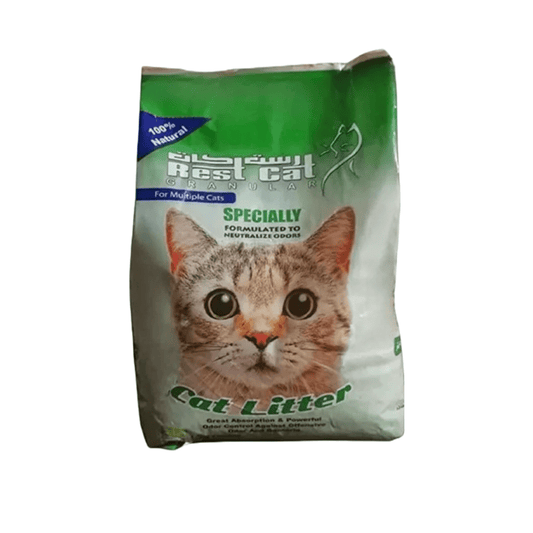
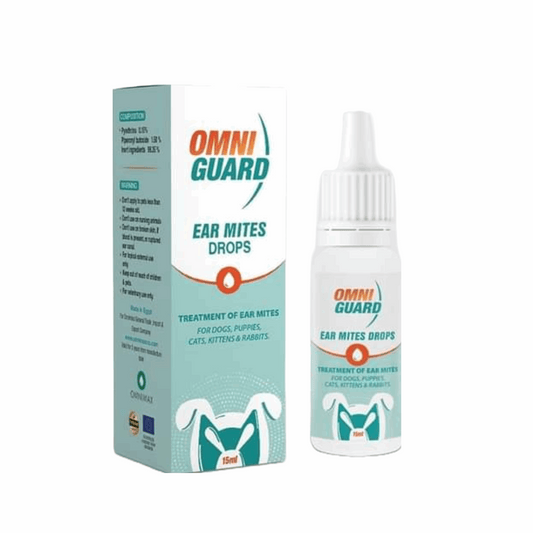
Shop everything your Persian needs — Royal Canin, brushes, shampoos and litter — at PetFriend.