Ringworm and Fungal Skin Infections in Cats and Dogs: Signs, Treatment and Home Cleaning
Despite its name, ringworm isn't a worm — it's a fungal infection (dermatophytosis) of the skin, hair and nails. It is common in kittens, puppies and long-haired cats such as Persians, and it can pass to people.
Key takeaways
- Round, scaly patches of hair loss are the typical sign.
- It's contagious to other pets and humans — wash hands and clean the home.
- Treatment often takes several weeks; stop only when your vet confirms it's cleared.
Signs of ringworm
- Circular areas of hair loss, often on the head, ears and paws.
- Grey, scaly or crusty skin.
- Broken hairs and a dull coat.
- Itching is usually mild — some pets don't scratch at all.
Other conditions cause hair loss too — see causes of hair loss in cats. A vet can confirm ringworm with a UV lamp, microscope or fungal culture.
How it spreads
By direct contact with infected animals or with spores on bedding, brushes, carriers and furniture. Spores can survive in the environment for months.
Treatment
- Topical antifungals on the lesions, such as Go-Blot antifungal or Funginil, used as directed on the label.
- Medicated baths to reduce spores on the coat.
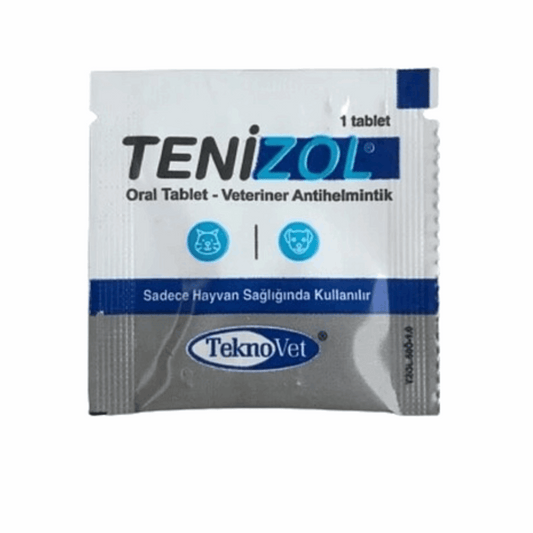
- Oral medication for widespread cases — prescribed by a vet only.
- Clipping long hair around lesions may help (ask your vet).
Cleaning your home
- Vacuum daily and throw away the bag or empty the canister outside.
- Wash bedding and fabrics in hot water.
- Disinfect hard surfaces, brushes and carriers.
- Keep the infected pet in one easy-to-clean room during treatment.
Protect your family
- Wear gloves when applying treatment and wash hands afterwards.
- Children and people with weak immunity should limit contact until cured.
- See a doctor if you notice red, ring-shaped itchy patches on your skin.
Prevention
- Quarantine new pets for 2 weeks and check their skin.
- Don't share brushes between pets.
- Support skin health with a good diet and supplements if your vet recommends them.
FAQ
How long is a pet contagious?
Until the vet confirms it's cleared — often several weeks after treatment starts.
Can ringworm go away on its own?
Sometimes, but it can take months and keep spreading, so treatment is recommended.